Why Do My Drill Bits Keep Breaking? 7 Common Causes and Solutions
Nothing kills a project’s momentum quite like a drill bit snapping in half mid-hole. That sharp crack followed by the sight of your bit’s twisted remains is frustrating enough to make anyone question their drilling technique. If you’ve found yourself constantly replacing broken bits or wondering why some last years while others barely survive their first job, you’re not alone.
Drill bit breakage is one of the most common problems DIYers and professionals face, but it’s also one of the most preventable. The truth is, most broken bits aren’t victims of bad luck—they’re casualties of easily avoidable mistakes. Understanding why bits break and how to prevent it can save you money, time, and the headache of constantly running to the hardware store.
In this guide, we’ll break down the seven most common causes of drill bit failure and give you practical solutions to extend their life. Whether you’re drilling through wood, metal, or masonry, these insights will help you get more value from every bit in your toolkit.
Quick Reference: 7 Causes and Solutions at a Glance
| Cause | Symptom | Fix |
|---|---|---|
| Wrong bit for material | Bit snaps immediately or makes no progress | Use material-specific bits (HSS for metal, carbide for masonry) |
| Excessive speed/pressure | Bit overheats, grabs, or binds | Match speed to material; let the bit do the work |
| Dull bits | Slow progress, fine dust instead of chips, excess heat | Replace or sharpen at first signs of dullness |
| Poor quality steel | New bits break on first use | Invest in quality brands (DeWalt, Bosch, Milwaukee) |
| Overheating | Blue/purple discoloration, bit seizes in hole | Use cutting fluid, withdraw periodically, reduce speed |
| Impact driver misuse | Small bits snap from hammering action | Use a drill/driver for holes; reserve impact for screws |
| Poor storage | Nicked edges, rust, chips on cutting surfaces | Use dedicated organizers, keep dry, separate bit types |
Cause 1: Using the Wrong Bit for the Material
The fastest way to destroy a drill bit is to use it on the wrong material. That standard twist bit designed for wood won’t last five seconds in concrete, and forcing a masonry bit through hardwood creates its own set of problems.
Material-Specific Requirements
Wood drilling requires bits with aggressive cutting edges and larger flutes to clear chips quickly. Standard twist bits work fine for softwoods, but hardwoods like oak or maple demand brad point bits or spade bits for clean, efficient cutting.
Metal drilling needs bits made from high-speed steel (HSS) or cobalt steel. These materials can handle the heat and stress of cutting through steel, aluminum, or other metals. The bit geometry is also different—metal bits have smaller flute angles to prevent grabbing.
Masonry work requires carbide-tipped masonry bits or diamond-coated bits for tile. The hammering action of a hammer drill combined with the right bit material makes all the difference between success and frustration.
The Solution
Build a proper bit collection with material-specific options. A basic set should include:
- Standard twist bits for general wood drilling
- HSS or cobalt bits for metal
- Masonry bits for concrete and brick
- Specialty bits like spade bits, hole saws, and brad points for specific tasks
Cause 2: Excessive Speed or Pressure
More speed doesn’t always mean faster drilling. Running your drill at maximum RPM and pushing hard might seem like the quickest path to completion, but it’s actually the express lane to bit breakage.
Understanding Speed vs. Material
Different materials require different drilling speeds. Soft materials like pine can handle high speeds, while dense hardwoods need slower, steadier progress. Metal drilling requires the lowest speeds to prevent overheating, while masonry falls somewhere in between.
Excessive pressure compounds the problem. When you push too hard, the bit can grab, bind, or overheat. This creates stress points that lead to snapping, especially in smaller diameter bits.
The Solution
Learn to match speed and pressure to the material:
- High speed, light pressure: Softwood, thin plastics
- Medium speed, medium pressure: Hardwood, thick plastics
- Low speed, steady pressure: Metal, very dense wood
- Variable speed with pulsing: Masonry with hammer drill
Let the bit do the work. If you’re struggling to make progress, the problem is usually the bit type or condition, not insufficient force.
Cause 3: Forcing Dull Bits Beyond Their Useful Life
A dull bit is a dangerous bit. As cutting edges wear down, they require more pressure to cut, generate more heat, and are far more likely to bind or catch. Yet many people continue using obviously worn bits until they inevitably snap.
Signs Your Bit Is Done
Recognizing a dull bit early can prevent breakage:
- Drilling takes noticeably longer than usual
- The bit produces fine dust instead of proper chips
- You need to apply more pressure for the same results
- The bit feels hot after normal use
- Entry holes are rough or ragged
The Solution
Replace or sharpen bits at the first signs of dullness. For expensive bits like large spade bits or hole saws, sharpening might be worthwhile. For standard twist bits, replacement is usually more cost-effective than sharpening.
Keep a budget-friendly replacement set on hand. The Amazon Basics 100-Piece Drill Bit Set provides affordable replacements for common sizes, ensuring you’re never tempted to push a worn bit too far.
Cause 4: Poor Quality Steel and Manufacturing
Not all drill bits are created equal. Cheap bits made from low-grade steel or manufactured with poor quality control are simply more prone to breaking, regardless of how carefully you use them.
What Makes a Quality Bit
High-quality bits feature:
- Proper heat treatment for hardness and toughness balance
- Precise grinding of cutting edges and flutes
- High-grade steel (HSS, cobalt, or carbide when appropriate)
- Consistent diameter and straightness
- Appropriate surface coatings (titanium nitride, black oxide)
Cheap bits often skip these quality steps, resulting in bits that are either too hard (brittle) or too soft (wear quickly). Poor grinding creates stress concentrations that become failure points.
The Solution
Invest in quality bits for your most common drilling tasks. The DEWALT DWA1184 14-Piece Drill Bit Set features 135-degree split points that prevent wandering and reduce breakage risk, making it an excellent choice for precision work. Buy Now on Amazon
For general-purpose drilling where you need quantity and variety, the Craftsman 60-Piece Drill Bit Set offers good value with reliable performance across multiple materials. Buy Now on Amazon
Cause 5: Overheating During Extended Use
Heat is drill bit enemy number one. Excessive heat breaks down the steel’s temper, making bits soft and prone to failure. It also accelerates wear on cutting edges and can cause bits to seize in the hole.
Heat Sources and Prevention
Heat buildup comes from several sources:
- Friction from dull cutting edges
- Running at excessive speeds
- Poor chip evacuation in deep holes
- Continuous drilling without breaks
- Lack of lubrication when appropriate
The Solution
Manage heat through proper technique:
- Use cutting fluid or oil when drilling metal
- Withdraw the bit periodically to clear chips and let it cool
- Reduce speed when drilling deep holes
- Keep bits sharp to minimize friction
- Allow cooling time between holes on heavy drilling jobs
For metal drilling, a few drops of cutting oil or even motor oil can dramatically reduce heat and extend bit life.
Cause 6: Improper Impact Driver Usage
Impact drivers have revolutionized driving screws, but they’re not always ideal for drilling holes. The hammering action that makes them so effective for driving can be destructive to drill bits, especially smaller ones. You might also find our impact driver bits that won’t strip roundup helpful.
When Impact Drivers Cause Problems
The rotational impacts that help drive screws create stress on drill bits that they weren’t designed to handle. Small bits are particularly vulnerable, as they lack the mass to absorb these shock loads. Additionally, the aggressive torque can cause bits to grab and bind more readily.
The Solution
Use the right tool for the job:
- Use a standard drill/driver for most hole drilling
- Reserve impact drivers for driving screws and large-diameter holes
- If you must drill with an impact driver, use larger, more robust bits
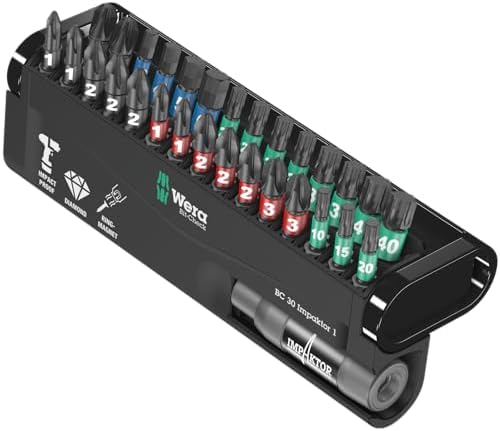
- Consider impact-rated bits designed to handle the extra stress
Many impact drivers have a “drill mode” that reduces the hammering action. Use this setting when drilling holes.
Cause 7: Poor Storage and Handling Practices
How you store and handle your bits affects their lifespan more than many people realize. Bits bouncing around loose in a toolbox quickly develop nicks and chips on their cutting edges. These small imperfections become stress concentrators that lead to failure.
Storage Problems
Common storage mistakes include:
- Throwing bits loose in toolboxes or bags
- Storing different types together where they can damage each other
- Leaving bits in damp environments where they can rust
- Not protecting cutting edges from impact
The Solution
Implement proper storage practices:
- Use dedicated bit organizers or cases with individual slots
- Keep bits dry and lightly oiled if necessary
- Separate different bit types to prevent damage
- Check bits for damage before each use
- Replace damaged bits rather than hoping they’ll hold up
Prevention Strategies That Actually Work
Preventing drill bit breakage is more cost-effective than constantly replacing broken ones. Here are the most effective prevention strategies:
Pre-Drilling and Pilot Holes
For large bits or hard materials, start with a smaller pilot hole. This reduces stress on the larger bit and improves accuracy. A 1/8″ pilot hole can prevent a 1/2″ spade bit from grabbing and twisting off.
Our Pilot Hole & Screw Size Chart has exact pilot hole sizes for every screw from #4 to 5/16″ lag bolts — keep it bookmarked for your next project.
Progressive Sizing
When drilling large holes in hard materials, step up through progressively larger bit sizes rather than going straight to the final diameter. This technique is especially valuable in metal work.
Proper Chuck Maintenance
A worn or dirty chuck can’t grip bits securely, leading to slippage and eventual breakage. Clean your chuck regularly and replace it if it shows significant wear.
Quality Over Quantity
It’s better to have a smaller collection of quality bits than a large set of poor ones. Focus on the sizes you use most often and buy the best you can afford.
When to Replace vs. Repair
Knowing when to retire a bit versus when to restore it can save money and prevent frustration.
Replace When:
- The bit is visibly cracked or chipped
- Cutting edges are severely worn or rounded over
- The bit shows signs of overheating (blue/purple coloration)
- The shaft is bent or the chuck grip area is damaged
- For inexpensive bits where replacement cost is minimal
Consider Sharpening When:
- The bit is expensive (large spade bits, hole saws, specialty bits)
- Wear is limited to cutting edges with no structural damage
- You have the proper sharpening equipment and skills
- The bit is a specialty size that’s hard to replace
Recommended Durable Bit Sets
Building a reliable bit collection doesn’t require breaking the bank, but it does require choosing the right bits for your needs.
For Precision Work: DEWALT DWA1184
The DEWALT DWA1184 14-Piece Drill Bit Set represents excellent value for precision drilling. The 135-degree split point design prevents bit wandering and reduces the pressure needed to start holes, significantly reducing breakage risk. These bits work well in both wood and light metal applications. Buy Now on Amazon
For Versatility: Craftsman 60-Piece Set
The Craftsman 60-Piece Drill Bit Set provides good coverage of common sizes in multiple materials. While not premium quality, these bits offer reliable performance for most DIY applications at a reasonable price point. Buy Now on Amazon
For Budget Replacements: Amazon Basics
Keep the Amazon Basics 100-Piece Set on hand for disposable drilling tasks and emergency replacements. While you wouldn’t want to rely on these for precision work, they’re perfect for quick jobs where bit breakage is a possibility.
Frequently Asked Questions
How do I know if my drill bit is dull?
Three clear signs: drilling takes noticeably longer than usual, the bit produces fine dust instead of proper chips or shavings, and the bit or material feels hot after normal use. If you’re applying more pressure than usual for the same results, the bit is done. Don’t push it — a dull bit under pressure is how breakage happens.
Can I use the same drill bit for wood and metal?
Technically, standard HSS twist bits can drill both wood and metal. But they’re optimized for neither. Wood bits have aggressive flutes for fast chip clearing; metal bits have different angles to prevent grabbing. For best results and longest bit life, use material-specific bits. The cost difference is minimal compared to constantly replacing broken multi-purpose bits.
Why do small drill bits break more often than large ones?
Physics. Smaller bits have less mass to absorb stress, less cross-sectional area to resist bending forces, and more flex under load. They’re especially vulnerable when used in impact drivers, drilled at excessive speed, or pushed too hard. Always use a pilot hole when stepping up to larger sizes, and keep light, steady pressure on small bits.
Is it worth sharpening drill bits or should I just replace them?
For standard twist bits under 1/2″, replacement is usually more cost-effective. A quality 10-piece set costs $15-20, and hand-sharpening twist bits requires skill to maintain proper geometry. However, for expensive specialty bits — large spade bits, hole saws, Forstner bits — sharpening is absolutely worth it. A bench grinder with a drill bit sharpening jig pays for itself quickly.
What’s the best way to drill through hardwood without breaking bits?
Use brad point bits (not standard twist bits) for clean entry. Run at medium speed with steady, moderate pressure. Clear chips frequently by withdrawing the bit. For holes over 1/2″, start with a 1/8″ pilot hole. And make sure your bit is sharp — hardwood punishes dull bits mercilessly. A few drops of wax on the bit can also reduce friction in dense woods like oak or maple.
Conclusion
Drill bit breakage doesn’t have to be an inevitable part of DIY work. By understanding the common causes—wrong bit selection, excessive speed or pressure, dull bits, poor quality steel, overheating, impact driver misuse, and improper storage—you can dramatically extend bit life and reduce frustration. For more recommendations, check out our best cordless drills guide.
The key is matching your technique to the material, investing in quality bits where it matters, and maintaining them properly. A modest investment in good bits and proper technique will save far more than it costs in replacement bits and project delays.
Remember: bits are consumable items, but they shouldn’t be disposable. With proper selection, use, and care, quality drill bits can last for years of regular use. Focus on technique first, then upgrade your bit collection as your skills and project demands grow.
Start with one quality set for your most common drilling tasks, learn to use it properly, and expand from there. Your projects—and your wallet—will thank you.
Disclosure: Power Tool Insider is a participant in the Amazon Services LLC Associates Program, an affiliate advertising program designed to provide a means for sites to earn advertising fees by advertising and linking to Amazon.com. When you purchase through our links, we may earn a commission at no additional cost to you.
Power Tool Insider is reader-supported. When you buy through links on our site, we may earn an affiliate commission at no extra cost to you. This doesn’t affect our recommendations — we only recommend tools we’d actually use. Full disclosure.