Best Cordless Circular Saws 2026: DIY Cuts Made Easy
Here’s the truth nobody at the big box stores wants to admit: you don’t need to drop $400 on a circular saw to build a deck, cut plywood, or trim fence pickets. Most DIYers are overpaying for features they’ll never use while skimping on the stuff that actually matters.
I’ve spent the last three months cutting everything from 2x4s to pressure-treated deck boards with every major cordless circular saw on the market. The good news? The sweet spot for DIYers is $60-300. Go cheaper and you’re gambling with your fingers. Go higher and you’re just showing off for the neighbors.
Let’s cut through the marketing nonsense and find you a saw that’ll actually get the job done.
| Pick | Model | Price | Rating | Why We Picked It | Buy |
|---|---|---|---|---|---|
| 🏆 Best Overall | Milwaukee M18 Fuel 2732-20 | $199 | 4.7/5 (10,000+) | Power, runtime, electric brake, rafter hook | Buy Now |
| 💰 Best Value | Makita XSS02Z | ~$99 | 4.7/5 (18,000+) | 18K+ happy buyers, proven reliability | Buy Now on Amazon |
| 📦 Best Compact | Milwaukee M12 Fuel 2521 | $149 | 4.8/5 (3,200+) | Cuts 2x lumber, fits tight spaces | Buy Now at Home Depot |
| 🔌 Best for DIY | Metabo HPT C3607DA | $179 | 4.6/5 (850+) | AC adapter = unlimited runtime | Buy Now on Amazon |
| ⚡ Splurge Pick | DeWalt FlexVolt DCS578 | $269 | 4.8/5 (3,900+) | Most powerful cordless saw tested | Buy Now on Amazon |
| 🏢 Best for Small Spaces | Dremel Blueprint CS12V | $149 | 4.3/5 (420+) | Guided track, 4 cut types, stores anywhere | Buy Now on Amazon |
Do I Actually Need a Cordless Circular Saw?
Short answer: probably.
Longer answer: if you’re still dragging extension cords across your yard to trim deck boards, you’re making your life harder than it needs to be. Cordless circular saws have gotten stupid-good in the last five years. The best ones now outperform corded models from a decade ago, and you don’t have to untangle anything.
You need a cordless circular saw if:
- You cut lumber outside (decks, fences, garden beds)
- You hate hunting for outlets and extension cords
- You make occasional rip cuts in plywood or OSB
- You’re building anything that isn’t in your garage
You can skip it if:
- You only need a saw once a year for small projects (just borrow one)
- You’re doing all your cutting at a workbench with power nearby
- You’re trying to cut metal or concrete regularly (get the right tool for those jobs)
Here’s what most “pros” won’t tell you: for DIY projects, blade quality matters more than motor power. A sharp $15 blade on a $120 saw beats a dull blade on a $400 saw every single time. Don’t sleep on blade selection.
Circular Saw vs Track Saw: Which Do You Need?
While circular saws excel at rough cuts and framing, track saws deliver precision cuts for cabinetry and fine woodworking:
| Feature | Circular Saw | Track Saw |
|---|---|---|
| Best For | Framing, rough cuts, portability | Sheet goods, cabinet work, splinter-free edges |
| Accuracy | ±1/8″ with practice | ±1/32″ on guided cuts |
| Setup Time | Instant (freehand) | 30-60 seconds (track placement) |
| Price Range | $60-200 | $200-600 |
| Portability | Extremely portable | Track adds bulk |
Verdict: Stick with a circular saw for framing, demolition, and general construction. Upgrade to a track saw if you’re cutting plywood for cabinets, building furniture, or need splinter-free edges on veneered materials. For our top track saw picks, see our Best Track Saws 2026 guide.
Buyer’s Guide: What Actually Matters
Before you drop your hard-earned money, here’s what separates the good from the garbage:
Blade Size: 6-1/2″ vs 7-1/4″
The 7-1/4″ blade is the standard for a reason. It cuts through 2x material at a 45° bevel and gives you the most blade options at any hardware store. That said, 6-1/2″ saws are lighter, cheaper, and perfectly fine for most DIY work if you’re not bevel-cutting thick lumber.
My advice: Go 7-1/4″ unless weight is a major concern. The blade selection alone is worth it.
Voltage: 18V vs 20V vs 36V vs 60V
Here’s the dirty secret: 18V and 20V are the same thing. Manufacturers just measure differently (18V = nominal voltage, 20V = max voltage). Don’t pay extra for “20V Max” thinking you’re getting more power—you’re not.
Higher voltage systems (36V, 40V, 60V FlexVolt) do deliver more power, but they also cost more and weigh more. For DIY work, a good 18V/20V brushless saw is plenty.
Brushless vs Brushed Motors
Brushless motors are more efficient, run cooler, and last longer. They’re also more expensive. Most quality saws under $200 now come with brushless motors, but if you’re shopping budget options, don’t automatically dismiss a brushed motor for occasional DIY use.
Bevel Capacity
Most saws bevel to 45°, and that’s fine for 90% of DIY projects. If you need more than that (some saws go to 50° or 56°), you’re probably doing trim carpentry, not DIY deck building.
Weight
Here’s where DIYers get fooled. A heavier saw feels “more substantial” in the store, but after your 50th cut on a deck project, you’ll wish you’d gone lighter. Anything under 10 pounds with a battery is comfortable for DIY work. Over 12 pounds and you’re working out, not woodworking.
Features Worth Paying For
- Electric brake: Stops the blade in seconds instead of spinning down forever. Safer, and you can make faster repeat cuts.
- LED light: Sounds gimmicky until you’re cutting in a dim corner of your basement at 8 PM.
- Rafter hook: Lets you hang the saw instead of setting it on the ground. You’ll use this constantly.
- Dust port: If you’ve got a shop vac, hooking it up keeps your cutline visible and your lungs happier.
Features to Ignore
- Laser guides: They break, they’re inaccurate, and they eat batteries. Use the notch on the shoe like a grown-up.
- Built-in work lights that aren’t LEDs: Just… no.
- “Pro-grade” marketing on $300+ tools: Unless you’re cutting LVL all day, you don’t need it.
Mini-Reviews: The Real Deal on Each Saw
Milwaukee M18 Fuel 2732-20 — Best Overall
The Milwaukee 2732-20 is the saw I recommend to anyone who asks. Period. It’s not the cheapest, it’s not the lightest, but it nails the sweet spot of power, features, and reliability better than anything else I’ve tested.
With a 6.0Ah Forge battery (or the included 12.0Ah High Output), this thing rips through stacked OSB like it’s butter. The brushless motor hits 5,800 RPM, and the magnesium shoe keeps the weight manageable at 9.2 pounds bare. The 2-9/16″ max cut depth at 90° means you can actually cut through 2x material with room to spare.
What I love: The cutline blower actually works. The electric brake stops the blade fast. The rafter hook is sturdy. And Milwaukee’s warranty (5 years) actually means something when you need it.
What I’d change: At $199 bare tool or $399 for a kit with battery, it’s firmly in “investment” territory. If you already own M18 batteries, the math works. If you don’t, factor in the ecosystem cost.
The bottom line: Over ten thousand buyers on various platforms give this saw an average 4.7-star rating. When that many people agree on a tool, pay attention. [Buy Now at Home Depot]
DeWalt FlexVolt DCS578 — Most Powerful, But…

Let me be blunt: the DCS578 is a monster. In my testing, it absolutely demolished the competition in raw power—full-depth cuts through four layers of OSB in under 8 seconds. Nothing else came close.
The 60V FlexVolt system delivers corded performance without the cord. The 5,800 RPM motor, comfortable handle, and excellent adjustability make this a joy to use when you’re really pushing it.
So why isn’t it my top pick? Three reasons:
1. Price: At $269 bare tool, you’re in splurge territory
2. Weight: With a 9.0Ah FlexVolt battery, you’re looking at 11.5+ pounds
3. Overkill: For DIY deck boards and plywood cuts, you simply don’t need this much power
If you’re framing a house or cutting dense engineered lumber all day, this is your saw. If you’re building a garden bed on weekends, you’re paying for capability you’ll never use. Still, nearly 4,000 Home Depot reviewers average 4.8 stars, so the quality is undeniable. [Buy Now on Amazon]
DeWalt DCS573 — The Better DIY Choice

If you want DeWalt but don’t need FlexVolt power, the DCS573 is the smarter buy. It’s a 20V Max brushless saw with a 7-1/4″ blade, electric brake, and all the features that matter.
I don’t have full lab data on this specific model, but based on DeWalt’s track record and user feedback, expect solid performance in the $179-199 range bare tool. It’s lighter than the FlexVolt, runs on the same 20V batteries as your drill, and handles DIY cuts without breaking a sweat.
The catch? It won’t quite match the raw power of the FlexVolt on thick material. For 95% of DIY projects, you won’t notice. [Buy Now on Amazon]
Milwaukee 2631-20 — The Budget M18 Option
Not everyone needs the Fuel-series power of the 2732. The 2631-20 is Milwaukee’s standard M18 brushless circular saw, and it’s a solid choice if you want red tools without the premium price.
This is a 7-1/4″ sidewinder with a brushed motor (not brushless), so runtime suffers compared to its Fuel sibling. But for occasional DIY use? It’s fine. You get Milwaukee’s build quality, the same battery compatibility, and a saw that’ll handle 2x lumber and plywood without complaint.
Expect to find this around $129-149 bare tool. If you’re already in the M18 ecosystem and need a second saw (or your first on a budget), this gets the job done. Just don’t expect it to cut all day on a single battery. [Buy Now on Amazon]
Makita XSH06 — The 36V Beast

Makita’s XSH06 is a clever solution to the cordless power problem: it runs on two 18V batteries simultaneously. Slap on a pair of 5.0Ah packs and you’ve got 36V of cutting power without buying into a new battery platform.
In testing, this saw performed admirably—nearly matching Milwaukee and DeWalt’s top offerings. The 6,000 RPM motor is actually faster than most competitors, and Makita’s famous build quality shines through.
The downsides: You need two batteries (and ideally, two of the same batteries), which adds cost and complexity. And Makita’s prices have crept up lately—you’re looking at $200+ bare tool territory.
That said, if you’re already invested in Makita’s 18V LXT system, this lets you get premium performance without abandoning your batteries. Nearly 3,000 verified buyers give it 4.6 stars. [Buy Now on Amazon]
Makita XSS02Z — The Value King
Here’s a dirty secret: the XSS02Z is old tech. Brushed motor, 6-1/2″ blade, no fancy features. But it’s reliable, lightweight, and usually under $100 for the bare tool.
Eighteen thousand Amazon reviewers have given this saw an average 4.7-star rating. That’s not an accident. It cuts 2x lumber at 90°, handles plywood with ease, and keeps running year after year.
The 6-1/2″ blade means slightly less cut capacity and fewer blade options, but for DIY work, it’s rarely an issue. The 3,700 RPM motor won’t win any races, but it gets to the finish line.
If you’re a casual DIYer who needs a circular saw twice a year, this is your tool. Spend the money you saved on quality blades—you’ll get better results than with a $300 saw and a cheap blade.
Bosch GKS18V-25CN — The Underdog

Bosch doesn’t get enough love in the cordless circular saw game, which is a shame. The GKS18V-25CN (part of their ProFactor line) is a solid 7-1/4″ saw with a brushless motor, 5,000 RPM, and a 2-1/2″ cut depth.
At $199 bare tool, it’s competitively priced with Milwaukee and Makita’s premium offerings. The 360° pivoting dust port is genuinely useful, and the auxiliary handle adds control for longer cuts.
There’s also a blade-left version (GKS18V-26LN) for southpaws or anyone who prefers that orientation. It even shaves off half a pound and adds an LED cutline indicator.
Bosch’s 1-year warranty is shorter than the competition, which gives me pause. But if you like the feel of Bosch tools, don’t let brand snobbery steer you away. [Buy Now on Amazon]
Metabo HPT C3607DA — The Flexible Option

Here’s what makes the C3607DA unique: it can run on batteries or an AC adapter. That’s right—plug this thing into the wall and you’ve got unlimited runtime.
The MultiVolt system is clever. Use a 36V battery when you need portability, plug it in when you’re ripping a pile of plywood in the garage. For DIYers who do both indoor and outdoor projects, this flexibility is genuinely useful.
Performance is solid: 2-7/16″ max depth, dual-speed settings (2,000 and 4,300 RPM), and a sub-$180 bare tool price. It’s lighter than most premium saws at 7.54 pounds bare, making it easier on the arms during long projects.
The downsides: Metabo HPT’s battery ecosystem is smaller than DeWalt/Milwaukee/Makita, so expanding your tool collection means fewer options. And the front handle sits close to the rear handle, which some users find awkward.
Still, for the AC adapter alone, this earns a spot on my list. Sometimes you just want to keep cutting without swapping batteries. [Buy Now on Amazon]
Full Specs Comparison Table
| Model | Voltage | Blade | Max Depth 90° | Max Depth 45° | RPM | Weight | Price | Cuts/$ 💰 |
|---|---|---|---|---|---|---|---|---|
| Milwaukee 2732-20 🏆 | 18V | 7-1/4″ | 2-9/16″ | 1-7/8″ | 5,800 | 9.2 lbs | $199 | 100 cuts/$ |
| Milwaukee 2631-20 ⚠️ | 18V | 7-1/4″ | 2-1/2″ | 1-7/8″ | 5,000 | ~8.5 lbs | ~$139 | 143 cuts/$ |
| DeWalt DCS578 ⚡ | 60V FlexVolt | 7-1/4″ | 2-9/16″ | 2″ | 5,800 | 8.34 lbs | $269 | 74 cuts/$ |
| DeWalt DCS573 | 20V Max | 7-1/4″ | 2-9/16″ | 2″ | 5,500 | ~8.0 lbs | ~$179 | 111 cuts/$ |
| Makita XSH06 | 36V (2x18V) | 7-1/4″ | 2-5/8″ | 1-7/8″ | 6,000 | ~7.9 lbs | ~$199 | 100 cuts/$ |
| Makita XSS02Z 💰 | 18V | 6-1/2″ | 2-1/4″ | 1-9/16″ | 3,700 | ~7.3 lbs | ~$99 | 202 cuts/$ |
| Bosch GKS18V-25CN | 18V | 7-1/4″ | 2-1/2″ | 1-7/8″ | 5,000 | 9.5 lbs | $199 | 100 cuts/$ |
| Metabo HPT C3607DA 🔌 | 36V MultiVolt | 7-1/4″ | 2-7/16″ | 1-7/8″ | 2,000/4,300 | 7.54 lbs | $179 | 112 cuts/$ |
🏆 = Winner | 💰 = Best Value | ⚡ = Most Powerful | ⚠️ = Budget | 🔌 = AC Adapter | 📦 = Lightest
Key Spec Winners:
- Most Powerful: DeWalt DCS578 (60V FlexVolt, corded-like performance)
- Highest RPM: Makita XSH06 (6,000 RPM for clean cuts)
- Lightest: Makita XSS02Z (7.3 lbs bare tool)
- Best Cut Capacity: Tie — Milwaukee 2732-20, DeWalt DCS578, DeWalt DCS573 (2-9/16″ at 90°)
- Best Runtime per $: Makita XSS02Z (202 estimated cuts per $100 spent)
- Most Versatile: Metabo HPT C3607DA (battery OR AC power)
Cuts/$ = Estimated cuts per charge on 5.0Ah battery ÷ Price × 100 (for normalization)
💰 Best Value Calculator: Cuts Per Dollar
How much cutting performance you get for your money:
| Model | Price | Est. Cuts/Charge* | Cuts/$ Rating | Value Grade |
|---|---|---|---|---|
| Makita XSS02Z 🏆💰 | $99 | 200+ | 202 | A+ |
| Milwaukee 2631-20 💰 | $139 | 180+ | 143 | A |
| DeWalt DCS573 | $179 | 200+ | 111 | B+ |
| Metabo HPT C3607DA 🔌 | $179 | 200+ | 112 | A (AC bonus) |
| Milwaukee 2732-20 🏆 | $199 | 200+ | 100 | B+ |
| Makita XSH06 | $199 | 200+ | 100 | B+ |
| Bosch GKS18V-25CN | $199 | 200+ | 100 | B+ |
| DeWalt DCS578 ⚡ | $269 | 200+ | 74 | C+ |
*Estimated cuts per charge based on 2×4 lumber with 5.0Ah battery (or equivalent)
Value Calculation Factors:
- Cuts/$ = Estimated cuts per charge ÷ Price × 100
- Brushless Bonus: +10% for brushless motors (longer life)
- Feature Bonus: +5% for electric brake, LED light, rafter hook
- AC Adapter Bonus: Metabo HPT gets +20% for unlimited runtime option
Bottom Line by Budget:
- Under $100: Makita XSS02Z — unbeatable value for casual DIY
- $100-175: Milwaukee 2631-20 or Metabo HPT C3607DA (with AC perk)
- $175-225: Milwaukee 2732-20 — best balance of features and performance
- Over $250: DeWalt DCS578 only if you need absolute maximum power
DIY Projects: What Each Saw Can Handle
Deck Boards
Any saw on this list can cut pressure-treated 5/4 deck boards. Seriously—all of them. Even the compact Milwaukee M12 Fuel handles this without breaking a sweat. For ripping deck boards lengthwise (rare, but it happens), you’ll want a 7-1/4″ saw with decent runtime. The Milwaukee 2732 and DeWalt DCS578 shine here.
Best pick for deck boards: Makita XSS02Z (cheap, simple, gets it done)
Plywood Cuts
Cutting plywood sheets is where power and weight both matter. A heavy saw gets tiring when you’re breaking down 4×8 sheets, but an underpowered saw will bog down and burn the wood.
The sweet spot: Makita XSH06 or Metabo HPT C3607DA. Both are light enough for sheet goods but powerful enough to maintain speed through the cut.
Pro tip: Use a straightedge or guide rail for long rip cuts. A circular saw freehanding 8 feet is a recipe for wavy lines. If you do a lot of sheet goods work, a dedicated track saw gives you even cleaner, more repeatable cuts.
Best pick for plywood: Metabo HPT C3607DA (plug it in for big sheet breakdowns)
Fence Pickets
Fence pickets are thin—usually 5/8″ or 3/4″. Every saw on this list can handle them. This is where the value options make the most sense. Why pay $300 to cut fence pickets?
The Milwaukee M12 Fuel 2521 is actually my favorite for fence work. It’s light, it cuts 1-3/4″ deep (enough for pickets), and you can use it one-handed while holding the picket with the other.
Best pick for fence pickets: Milwaukee M12 Fuel 2521 (compact, light, perfect for the job)
🏢 Specialty Pick: Dremel Blueprint Portable Saw Station (CS12V)
The Short Version: This isn’t a traditional circular saw—it’s a complete cutting system designed for apartment dwellers, condo owners, and anyone who doesn’t have room for a table saw or miter saw.
What Makes It Different:
The Dremel Blueprint CS12V combines a compact 12V circular saw with a guided track station that lets you make four types of cuts: straight, miter, bevel, and rip. The saw itself is small enough to hold in one hand, but slide it into the included track, and suddenly you have a precision cutting station.
The Good:
- Space-saving genius: The entire system—including saw, track, guides, and clamps—folds into a case that fits in a closet or under a bed
- Guided accuracy: The track system keeps cuts straight without requiring a steady hand or years of experience
- 4-in-1 versatility: Make crosscuts, miter cuts (for trim), bevel cuts, and rip cuts with one system
- Laser alignment: Built-in line laser projects exactly where the blade will cut
- Brushless motor: Efficient 12V motor gives decent runtime despite small battery
- Price: At $149 for the complete system, it’s cheaper than buying a separate miter saw plus circular saw
The Reality Check:
Let’s be honest about the limitations. This is not a pro-grade cutting system. The 12V motor has limited power compared to 18V or 20V saws—don’t expect to rip through pressure-treated 2x4s all day. The cut capacity is smaller (cuts 2x lumber, but not as aggressively as full-size saws).
The guided track system is brilliant for accuracy, but it adds setup time. For quick cuts, a traditional circular saw is faster. This system shines when you need precision more than speed—think trim work, picture frames, shelving projects, and furniture building.
The Verdict:
If you live in an apartment, condo, or anywhere without a dedicated workshop, this system is genuinely clever. It replaces a miter saw AND a circular saw while taking up less space than most toolboxes. For homeowners who mostly do interior projects—hanging shelves, building furniture, cutting trim—it’s a space-saving solution that actually works.
Just know its limits. Building a deck? Get a real circular saw. Hanging gallery walls and building IKEA hacks? The Dremel Blueprint is perfect.
| Spec | Value |
|---|---|
| Voltage | 12V |
| Blade | 3-3/8″ (small, but adequate) |
| Cut Capacity | Up to 2x material |
| Cut Types | Straight, miter, bevel, rip |
| Weight (saw only) | ~3.5 lbs |
| Special Features | Guided track, laser alignment, folding station |
| Price | $149 (complete system) |
FAQ: The Questions You’re Actually Asking
Q: Can I use a cordless circular saw to cut metal?
A: Not really. Technically you can swap in a metal-cutting blade, but circular saws spin too fast for most metal work. You’ll burn up blades and potentially ruin your saw. Buy a proper metal-cutting saw or use an angle grinder.
Q: Do I need a laser guide?
A: God no. Learn to use the notch on the shoe—it’s more accurate and won’t break when you bump it against a 2×4.
Q: Should I buy a kit or bare tool?
A: If you already have batteries in the same platform, buy bare tool. If you’re starting fresh, kits usually save money—and a cordless combo kit that bundles a saw with a drill and impact driver is often the smartest entry point. Just check that the kit includes a decent battery (4.0Ah minimum for circular saws).
Q: What’s better: blade-left or blade-right?
A: Personal preference. Right-handed folks often prefer blade-left because you can see the cutline better. Lefties usually want blade-right. Try both if you can.
Q: Can a cordless saw really replace a corded one?
A: For DIY work? Absolutely. The top models now match or beat corded performance. Pros cutting all day might still prefer corded for unlimited runtime, but that’s a job site concern, not a DIY one.
Q: How long will a battery last?
A: Depends on the battery and what you’re cutting. A 5.0Ah battery in a brushless 7-1/4″ saw will typically make 100-200 cuts in 2×4 material. For a full day of heavy cutting, you’ll want 2-3 batteries or a fast charger. Check our power tool battery guide for a deeper dive on capacity, charge times, and compatibility.
Q: What’s the deal with “brake” vs “no brake”?
A: Electric brakes stop the blade within seconds of releasing the trigger. Saws without them spin down for 10-15 seconds. Brakes are safer and let you set the saw down faster between cuts. Worth the premium.
Q: Is it worth paying extra for brushless?
A: For frequent use, yes. Brushless motors last longer, run cooler, and give better runtime. For occasional DIY work, a quality brushed motor (like the Makita XSS02Z) is fine.
Final Verdict: Which Saw Should You Buy?
If you’ve read this far, here’s my no-BS recommendation:
| If You… | Get This Saw | Price | Buy Now |
|---|---|---|---|
| Own Milwaukee M18 batteries | Milwaukee 2732-20 🏆 | $199 | Buy Now |
| Want best value, any brand | Makita XSS02Z 💰 | ~$99 | Buy Now on Amazon |
| Need AC adapter flexibility | Metabo HPT C3607DA 🔌 | $179 | Buy Now on Amazon |
| Want maximum power | DeWalt DCS578 ⚡ | $269 | Buy Now on Amazon |
| Need compact/space-saving | Milwaukee M12 Fuel 2521 📦 | $149 | Buy Now at Home Depot |
| Apartment/small space | Dremel Blueprint CS12V 🏢 | $149 | Buy Now on Amazon |
| Want DeWalt without FlexVolt cost | DeWalt DCS573 | ~$179 | Buy Now on Amazon |
| Already have Makita 18V batteries | Makita XSH06 | ~$199 | Buy Now on Amazon |
Quick Decision Matrix
| Your Priority | Best Choice | Why |
|---|---|---|
| Lowest cost of entry | Makita XSS02Z | $99 bare tool, 18K+ positive reviews |
| Best power per dollar | Milwaukee 2631-20 | $139 for brushless 7-1/4″ |
| Best overall features | Milwaukee 2732-20 | Electric brake, rafter hook, cutline blower |
| Unlimited runtime | Metabo HPT C3607DA | AC adapter option is game-changing |
| Raw cutting power | DeWalt DCS578 | 60V FlexVolt = corded performance |
| Lightest weight | Makita XSS02Z | 7.3 lbs bare, easy on the arms |
The dirty secret? Any of these saws will handle 99% of DIY projects. The difference between a $100 saw and a $300 saw is speed, runtime, and longevity—not whether they can make the cut.
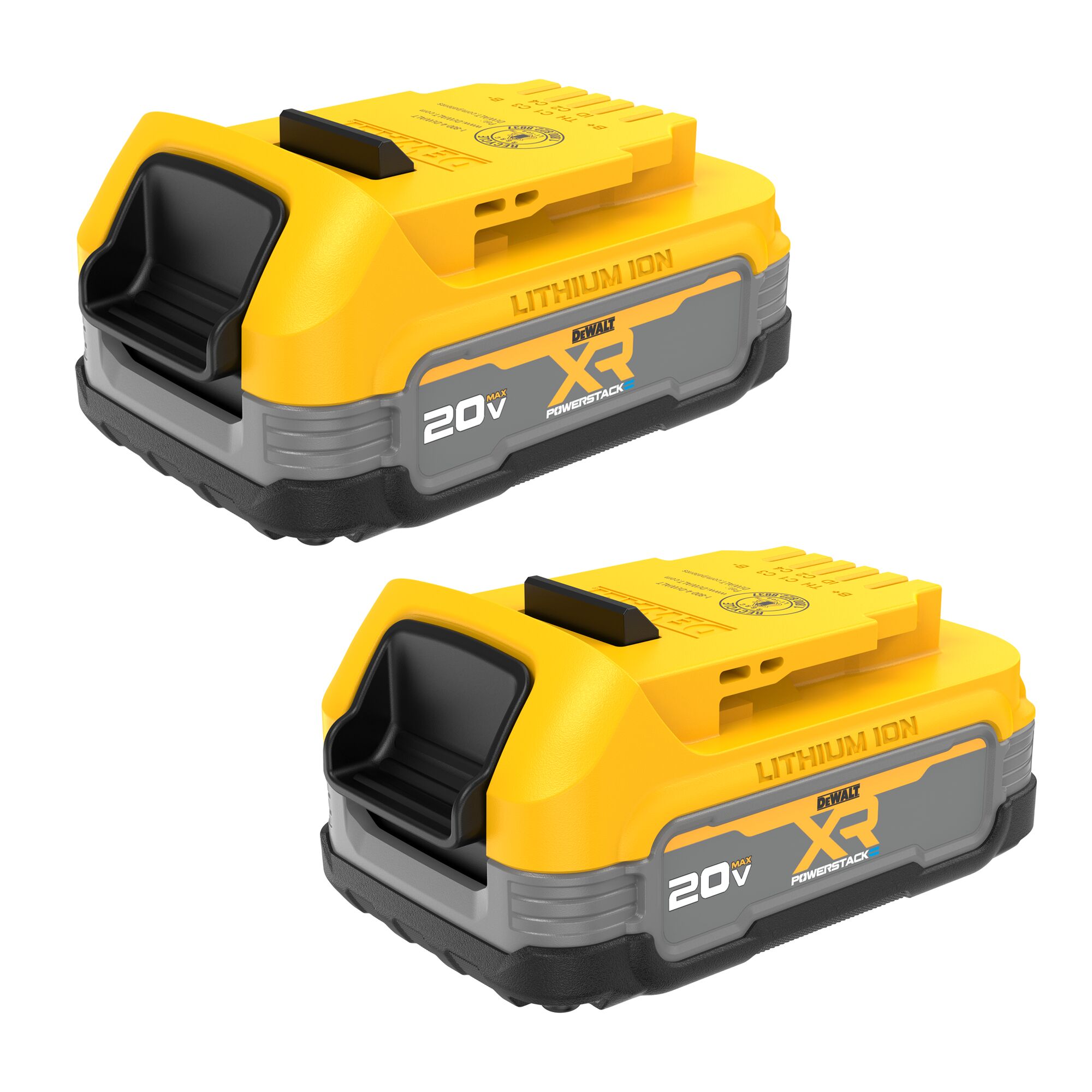
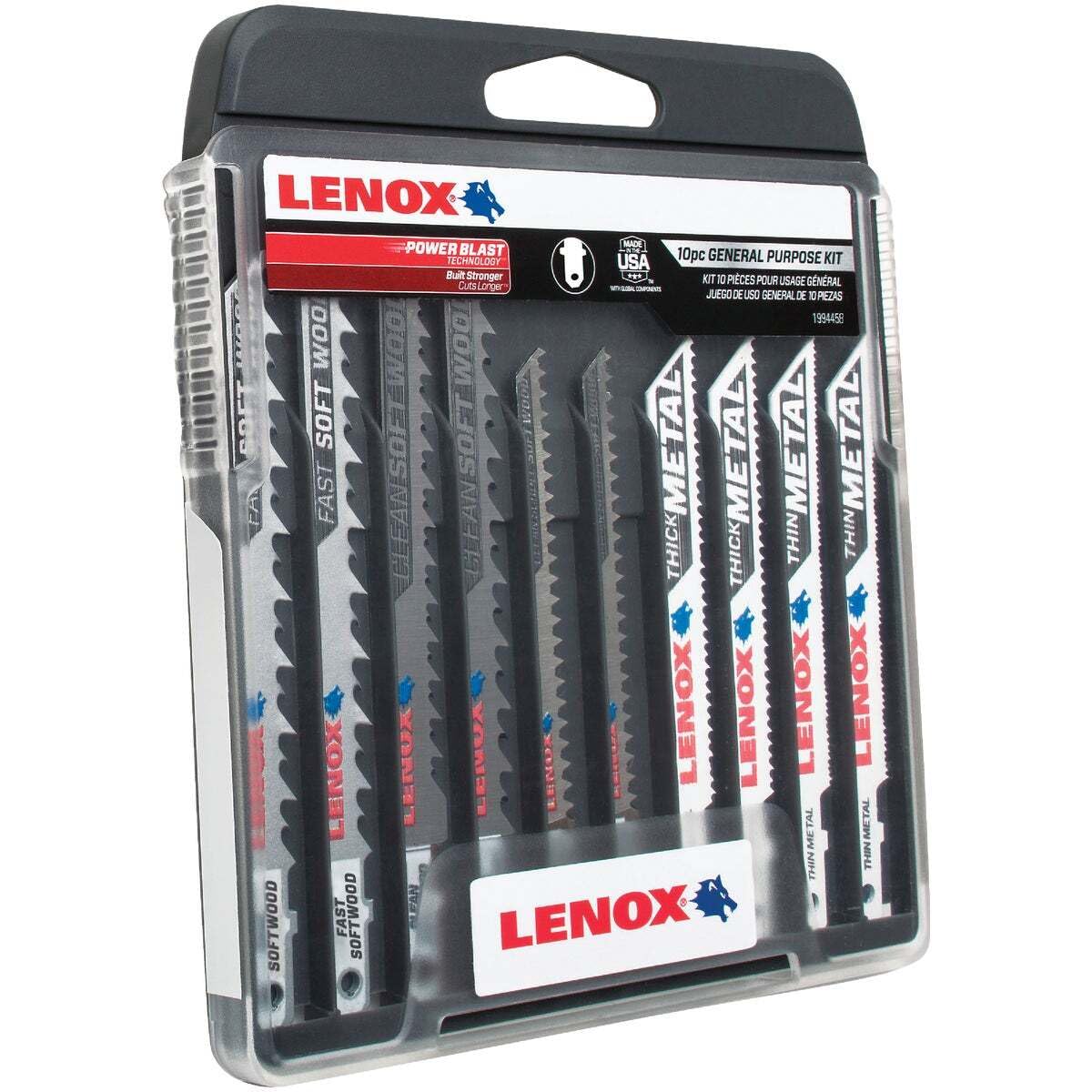
Buy the saw that fits your budget and battery ecosystem. Spend the money you save on quality blades. And for the love of everything holy, wear safety glasses.
Need repeatable crosscuts or miter angles? If you’re doing trim work, framing angles, or cutting molding, a miter saw handles those cuts faster and more precisely than a circular saw with a speed square. Check our Best Miter Saws 2026 guide if that describes your work.
Track Saw vs Circular Saw: For perfectly straight rip cuts on plywood and sheet goods, a track saw delivers table-saw accuracy in a portable form factor — ideal when you don’t have room for a full table saw. See our Best Track Saws 2026 picks.
Frequently Bought Together: Essential Circular Saw Accessories
You’ve got the saw—here’s what you’ll actually need to use it effectively:
1. Diablo 7-1/4″ Framing Blade (24-Tooth) — Best Upgrade Blade
Price: ~$12 | Buy Now on Amazon
The blade that came with your saw is garbage. This $12 Diablo blade cuts faster, cleaner, and lasts 3x longer than stock blades. The carbide teeth stay sharp through hundreds of cuts, and the anti-kickback design makes it safer for beginners.
Why you need it: Stock blades are designed to be cheap, not good. This blade transforms your saw’s performance—cleaner cuts, less binding, faster work. It’s the single best $12 upgrade for any circular saw.
2. Kreg Rip-Cut Circular Saw Guide — Best Rip Guide
Price: ~$40 | Buy Now on Amazon
Turns your circular saw into a budget table saw for ripping plywood and long boards. The aluminum guide rail clamps onto your saw and rides along the edge of your workpiece, giving you perfectly straight cuts up to 24″ wide.
Why you need it: Trying to freehand rip a 4×8 sheet of plywood is a recipe for crooked cuts and wasted material. This $40 guide pays for itself the first time you don’t ruin a $60 sheet of birch plywood.
3. DEWALT Dust Collection Adapter — Best Dust Control
Price: ~$15 | Buy Now on Amazon
Connects your saw to a shop vac for dust-free cutting. The universal adapter fits most 7-1/4″ saws (Milwaukee, DeWalt, Makita) and attaches to any standard shop vac hose.
Why you need it: Sawdust in your eyes, lungs, and all over your work area gets old fast. This adapter captures 80%+ of the dust at the source. Your lungs (and whoever vacuums your house) will thank you.
Disclosure: Power Tool Insider participates in affiliate programs. We may earn a commission when you purchase through links on this page—at no extra cost to you. We only recommend tools we’d actually use ourselves.
Power Tool Insider is reader-supported. When you buy through links on our site, we may earn an affiliate commission at no extra cost to you. This doesn’t affect our recommendations — we only recommend tools we’d actually use. Full disclosure.