The table saw is the centerpiece of any serious woodshop. Whether you’re ripping plywood, cross-cutting hardwood, or making precision joinery, the right table saw transforms your woodworking from frustrating to satisfying. But with jobsite saws, contractor models, and cabinet saws all competing for your money, how do you choose?
After extensive research across the latest 2026 models from DeWalt, SawStop, Bosch, Makita, and Craftsman, we’ve identified the best table saws for every budget and workshop. From portable jobsite saws that break down in seconds to heavy-duty cabinet saws built for a lifetime, this guide covers what matters: rip capacity, motor power, fence quality, safety features, and real-world performance.
Quick Picks – Best Table Saws at a Glance
| Table Saw | Type | Motor | Rip Capacity | Best For | Price | Buy |
|---|---|---|---|---|---|---|
| DeWalt DWE7491RS | Jobsite | 15 amp | 32.5″ | Overall portability & power | ~$649 | Buy Now |
| SawStop PCS175-TGP236 | Cabinet | 1.75 HP | 36″ | Safety-first professionals | ~$2,899 | |
| Bosch 4100XC-10 | Contractor | 15 amp | 30″ | Job sites needing stability | ~$729 | Buy Now on Amazon |
| Makita 2705X1 | Contractor | 15 amp | 25″ | Woodworkers on a budget | ~$599 | Buy Now on Amazon |
| Craftsman 10″ Portable | Jobsite | 15 amp | 22″ | Entry-level DIYers | ~$199 | Buy Now at Lowe’s |
Best Table Saws 2026 – Individual Reviews
Best Overall: DeWalt DWE7491RS 10-Inch Jobsite Table Saw
The DeWalt DWE7491RS remains the gold standard for portable table saws nearly a decade after launch. With a powerful 15-amp motor spinning at 4,800 RPM and an impressive 32.5-inch rip capacity, this saw handles full sheets of plywood without breaking a sweat.
Key Specs:
- 15-amp motor, 4,800 RPM
- 32.5″ rip capacity (best in class for jobsite saws)
- 3-1/8″ depth of cut at 90°, 2-1/4″ at 45°
- Rack-and-pinion fence system
- Rolling stand included
- Weight: 110 lbs with stand
The rack-and-pinion fence system—a DeWalt innovation—locks down square and stays that way. The fence has a flip-up feature for narrow rip cuts, and the 2-inch dust port connects easily to shop vacs for decent dust collection.
Pros:
- Industry-leading 32.5″ rip capacity
- Rock-solid fence stays square
- Rolling stand makes transport manageable
- Proven reliability (4.7/5 stars from thousands of users)
Cons:
- 110 lbs is heavy for one-person transport
- Dust collection adequate but not exceptional
- No flesh-sensing safety tech (see SawStop below)
Who It’s For: Contractors and serious DIYers who need portability without sacrificing rip capacity. If you’re cutting sheet goods on job sites, this is your saw.
Best Cabinet Saw: SawStop PCS175-TGP236 Professional Cabinet Saw
SawStop revolutionized table saw safety with flesh-sensing technology that stops the blade in under 5 milliseconds on skin contact—turning a potential amputation into a minor scratch. The Professional Cabinet Saw (PCS) is their top-selling model, combining best-in-class safety with professional-grade performance.
Key Specs:
- 1.75 HP motor
- 36″ T-Glide fence system (heavy-gauge steel)
- Patented safety system (blade stops in <5ms)
- 99% dust collection with shrouding
- Trunnion and arbor built for precision
- Gas piston blade elevation
The PCS is built like a tank. The cast iron table is dead-flat, the T-Glide fence locks down with authority, and the trunnion system delivers precise angle adjustments that stay put. The 99% dust collection claim is legitimate—with proper shrouding and a 4-inch dust port, your shop stays clean.
Pros:
- Life-saving flesh-sensing technology
- Exceptional build quality and precision
- 99% dust collection above and below table
- Smooth gas piston blade elevation
- T-Glide fence system is rock-solid
Cons:
- Premium price (~$2,899)
- Brake cartridge replacement after activation (~$80-100)
- Overkill for casual DIYers
- 600+ lbs—this saw is staying put
Who It’s For: Professional woodworkers and serious hobbyists who value safety and precision above all. If you’re running a shop where fingers near spinning blades are a daily reality, SawStop is worth every penny.
Best Budget Contractor Saw: Bosch 4100XC-10 Worksite Table Saw
Bosch bridges the gap between portable jobsite saws and stationary contractor models with the 4100XC-10. The Gravity-Rise wheeled stand deploys in seconds, and the 30-inch rip capacity handles most projects without the bulk of full-size saws.
Key Specs:
- 15-amp motor
- 30″ rip capacity
- SquareLock fence system
- Gravity-Rise wheeled stand
- 3-1/8″ depth of cut at 90°
- Weight: ~99 lbs with stand
The SquareLock fence system uses spring-loaded levers for quick adjustments that stay square. The Gravity-Rise stand is Bosch’s secret weapon—pull two levers and the saw rises to working height in one smooth motion. Breaking down is equally fast.
Pros:
- Fast setup/breakdown with Gravity-Rise stand
- SquareLock fence is accurate and repeatable
- 30″ rip capacity good for most projects
- Excellent dust collection for portable class
- Smooth, powerful motor
Cons:
- Rip capacity falls short of DeWalt’s 32.5″
- Miter gauge is basic (upgrade recommended)
- Stand takes up storage space when folded
Who It’s For: Job site contractors who need stability and decent rip capacity but want faster setup than the DeWalt. Also great for garage workshops with limited space—the Gravity-Rise stand stores compactly.
Best Value: Makita 2705X1 10-Inch Contractor Table Saw
Makita’s 2705X1 delivers contractor-level performance at a near-jobsite-saw price. The 15-amp motor has an electric brake for fast stops, and the included stand makes it semi-portable without sacrificing stability.
Key Specs:
- 15-amp motor with electric brake
- 4,800 RPM
- 25″ rip capacity
- 3-5/8″ depth of cut at 90° (industry-leading)
- Includes stand, 32T carbide blade, fence, miter gauge
- Accepts up to 13/16″ dado blades
That 3-5/8-inch depth of cut is the deepest in this class—rip 4×4 lumber in one pass. The electric brake stops the blade in seconds (not milliseconds like SawStop, but faster than mechanical brakes). The 25-inch rip capacity is adequate for most work, though it falls short of DeWalt’s 32.5″.
Pros:
- Exceptional value (~$599 with stand)
- 3-5/8″ depth of cut handles 4x material
- Electric brake for fast stops
- Accepts 13/16″ dado stacks
- Makita reliability at budget price
Cons:
- 25″ rip capacity limiting for sheet goods
- Fence accuracy decent but not rack-and-pinion quality
- Stand is functional but not as polished as DeWalt/Bosch
Who It’s For: Woodworkers who prioritize cutting power and dado capacity over maximum rip width. If you’re cutting hardwood lumber more than plywood sheets, the Makita’s deep cut capacity shines.
Best for Beginners: Craftsman 10-Inch Portable Jobsite Table Saw
Available at Lowe’s and Amazon
Craftsman’s budget-friendly 10-inch saw is the entry point for DIYers building their first workshop. At $199 (on sale), it delivers 70% of DeWalt’s performance at 60% of the cost.
Key Specs:
- 15-amp motor, 5,000 RPM
- 22″ rip capacity (12″ right, 10″ left)
- Cast aluminum table (27-3/8″ x 21-7/8″)
- Folding stand included
- Weight: 58 lbs
The 15-amp motor generates 5,000 RPM—slightly faster than DeWalt’s 4,800 RPM. The cast aluminum table is smaller (limiting rip capacity), but it’s flat and stable for most DIY work. The folding stand detaches for transport, and at 58 lbs, one person can move it comfortably.
Pros:
- Unbeatable price (~$199 on sale)
- Lightweight at 58 lbs
- Adequate power for DIY projects
- Folding stand stores easily
- Good entry point for beginners
Cons:
- 22″ rip capacity limits sheet goods work
- Fence accuracy requires frequent checking
- No rack-and-pinion fence system
- Cast aluminum table smaller than contractor saws
Who It’s For: First-time buyers building a workshop on a budget. If you’re cutting dimensional lumber and small plywood pieces, this saw will serve you well while you save for a pro-level upgrade.
Table Saw Types Explained
Understanding table saw categories helps match your needs to the right tool:
Jobsite Saws ($200-700)
Designed for portability with folding stands and lighter weight (50-110 lbs). Direct-drive motors (15-amp) provide adequate power without bulk. Best for: contractors moving between job sites, garage woodworkers with limited space.
Contractor Saws ($500-1,200)
Mid-level saws with larger tables, heavier construction, and better dust collection than jobsite models. Usually outfitted with wheels for shop mobility. Best for: serious DIYers and small professional shops.
Cabinet Saws ($1,200-4,000+)
Professional-grade saws with enclosed cabinet bases, cast iron tables, powerful motors (1.75-5 HP), and precision trunnion systems. Weight: 400-700+ lbs. Best for: professional woodworkers, production shops, serious hobbyists with dedicated space.
Hybrid Saws ($800-1,500)
Blend contractor saw price with cabinet saw features—enclosed base, better dust collection, more powerful motors. Best for: hobbyists wanting cabinet saw performance without the price or weight.
Safety Features That Matter
Blade Guards and Riving Knives
Blade guards shield your hands from contact, while riving knives prevent kickback by keeping the kerf open behind the blade. Never remove them unless absolutely necessary (dado cuts, etc.).
Push Sticks and Featherboards
Push sticks keep fingers away from blades during rip cuts. Featherboards hold workpieces against fences, preventing kickback. Use them. Always.
SawStop Flesh-Sensing Technology
SawStop’s patented system detects electrical conductivity (skin) and fires an aluminum brake block into the blade, stopping it in under 5 milliseconds while dropping below the table. The blade is destroyed, and you replace an $80 cartridge—but you keep your fingers.
Proper Stance and Technique
Stand to the side of the blade path (never directly behind), use both hands to control workpieces, and never reach over the blade while it’s spinning. Always wear proper safety glasses—flying wood chips are no joke. Most table saw accidents come from poor technique, not equipment failure.
Buying Guide: What to Look For
Rip Capacity
Minimum 24″ if you’re cutting plywood sheets. Jobsite saws with 32″+ capacity (like the DeWalt DWE7491RS) let you rip 4×8 sheets lengthwise without flipping. Smaller capacity (<22") limits your work.
Motor Power
- Jobsite saws: 15-amp direct-drive motors adequate for most work
- Contractor saws: 15-amp or 1.5-2 HP motors handle hardwoods
- Cabinet saws: 1.75-5 HP for continuous production work
More power isn’t always better—adequate power with good blade selection beats overpowered motors with dull blades.
Fence Quality
Rack-and-pinion fences (DeWalt) or T-Glide systems (SawStop) stay square and lock down reliably. Budget fences require frequent checking and adjustment. The fence is where you’ll notice quality differences most.
Dust Collection
Look for 2-4″ dust ports and shrouding around the blade. Good dust collection keeps your shop cleaner, protects your lungs, and improves visibility. Cabinet saws with enclosed bases collect more dust than open jobsite saws. If you’re setting up a workshop, pair your table saw with a proper dust collection system to keep airborne particles under control.
Portability vs. Stability
Light portable saws (50-70 lbs) trade stability for mobility. Heavy saws (100+ lbs) stay put during cuts but resist moving. Match weight to your use—contractors need portability, stationary shops prioritize stability.
Frequently Asked Questions
What size table saw do I need?
For DIY projects and occasional woodworking, a 10-inch jobsite or contractor saw is sufficient. If you’re ripping sheet goods regularly, prioritize rip capacity over motor power—32″ lets you handle 4×8 plywood without awkward cuts.
Are SawStop saws worth the extra cost?
If you value your fingers, yes. The $2,000-3,000 premium over comparable cabinet saws is nothing compared to medical bills and lost income from table saw injuries. Professional woodworkers and production shops should consider SawStop non-negotiable.
Jobsite vs contractor vs cabinet saw—which do I need?
- Jobsite: You move between sites or have limited garage space
- Contractor: You have a dedicated shop but aren’t running production work
- Cabinet: You’re a professional woodworker or serious hobbyist wanting maximum precision and power
What blade should I use?
Start with a quality combination blade (40-50 teeth). Freud, Forrest, and CMT make excellent blades. Ripping blades (24 teeth) for thick hardwood, crosscut blades (60-80 teeth) for plywood and fine cuts. The blade matters more than most realize—a $50 blade transforms a $200 saw’s performance. See our saw blade guide for detailed recommendations by cut type.
How much should I spend?
Budget: $200-400 for entry-level DIY work. Mid-range: $500-800 for serious hobbyists and light professional use. Professional: $1,200+ for cabinet saws or SawStop safety. Don’t cheap out—a quality table saw lasts decades.
Frequently Bought Together
Serious woodworkers pair their table saws with these essential accessories:
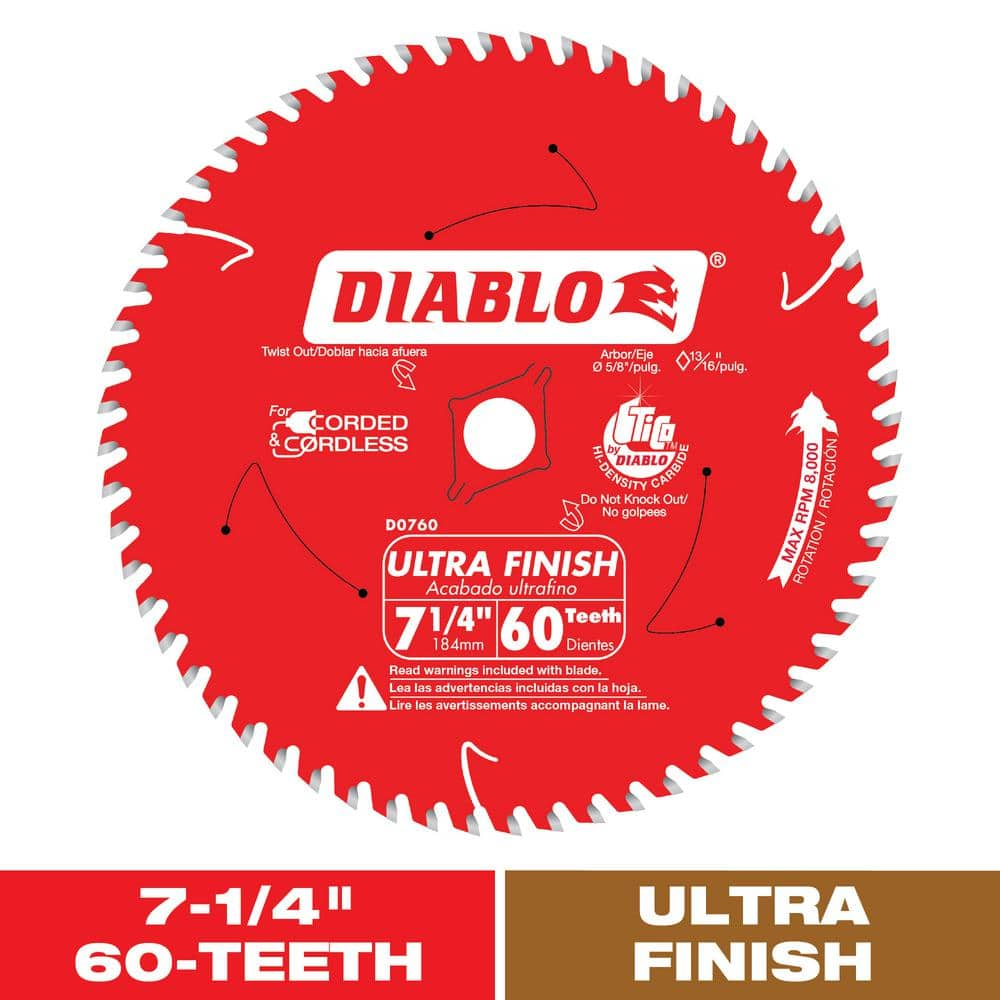
The gold standard for ultra-smooth crosscuts in plywood and hardwood. The 100-tooth count leaves glass-smooth edges that need zero sanding. ~$80
DEWALT DW3128P5 Blade Set (5-Pack)
Combination blades, ripping blades, and crosscut blades in one affordable set. Perfect starter kit for new table saw owners. ~$45
The Bottom Line
The DeWalt DWE7491RS remains our top pick for most woodworkers—its 32.5″ rip capacity, rack-and-pinion fence, and rolling stand deliver professional results in a portable package. At $649, it’s the sweet spot of price and performance.
For professional shops where safety is paramount, the SawStop PCS175 is worth every penny of its $2,899 price. The flesh-sensing technology has saved thousands of fingers, and the build quality matches its reputation.
Budget buyers should grab the Craftsman 10-inch portable at $199 as an entry point, while the Makita 2705X1 at $599 offers exceptional value for woodworkers prioritizing cutting depth over rip capacity.
Whatever you choose, prioritize fence quality and safety features over raw power. A well-tuned fence and proper technique matter more than motor specs. And once your cuts are done, a good sander will smooth out any rough edges before finishing. Stay safe, measure twice, and rip once.
Power Tool Insider is reader-supported. When you buy through links on our site, we may earn an affiliate commission at no extra cost to you. This doesn’t affect our recommendations — we only recommend tools we’d actually use. Full disclosure.